Professional Tree Care: Boost Your Landscape's Health and Aesthetics
Expert tree services are essential for preserving the health and beauty of outdoor spaces. These experts offer a range of services, from trimming to disease evaluation. Their work not only improves the aesthetic appeal of landscapes but also guarantees the safety of the environment. However, many homeowners ignore the significance of regular tree maintenance. Understanding its impact can lead to a more vibrant and sustainable landscape, encouraging further exploration of the topic.
The Significance of Professional Tree Care
Professional tree care plays a key role in safeguarding the health and safety of both residential and commercial landscapes. Trees offer important contributions to the environment by improving air quality, providing shade, and boosting aesthetic appeal. Consistent maintenance ensures trees stay strong and resilient against pests, diseases, and unfavorable weather conditions. Neglecting tree care can cause hazardous scenarios, such as falling branches or uprooted trees, that threaten people and property. Furthermore, well-kept trees can increase property value and curb appeal, making professional tree care a prudent investment for both homeowners and businesses. Expert arborists have the skills to assess tree health, recommend suitable care methods, and apply them safely. By focusing on professional tree care, property owners can nurture a healthier landscape, support biodiversity, and create a more inviting outdoor space for everyone. As a result, investing in these services is not only sensible but also vital for preserving landscape longevity.
Common Arboricultural Services Provided
Tree services comprise a range of vital tasks that promote tree health and safety. Among these, tree pruning techniques are important for preserving structure and encouraging growth, while stump removal solutions tackle the remnants of felled trees. Comprehending these services helps homeowners take informed decisions about their landscape management.
Tree Pruning Approaches
Pruning enhances the health and charm of trees, making it an indispensable undertaking for maintaining their vigor. Various strategies are employed by tree service professionals to achieve ideal results. Thinning comprises selectively removing branches to improve light penetration and air circulation, which reduces the risk of disease. Crown reduction is another technique that lowers the height of a tree while maintaining its natural shape, preventing potential hazards. Deadwooding targets the removal of dead or dying branches, promoting overall tree health. Additionally, formative pruning configures young trees to guarantee strong structure and growth. Each strategy is adjusted to the specific species and condition of the tree, guaranteeing a balanced approach to landscape enhancement and longevity.
Stump Clearing Methods
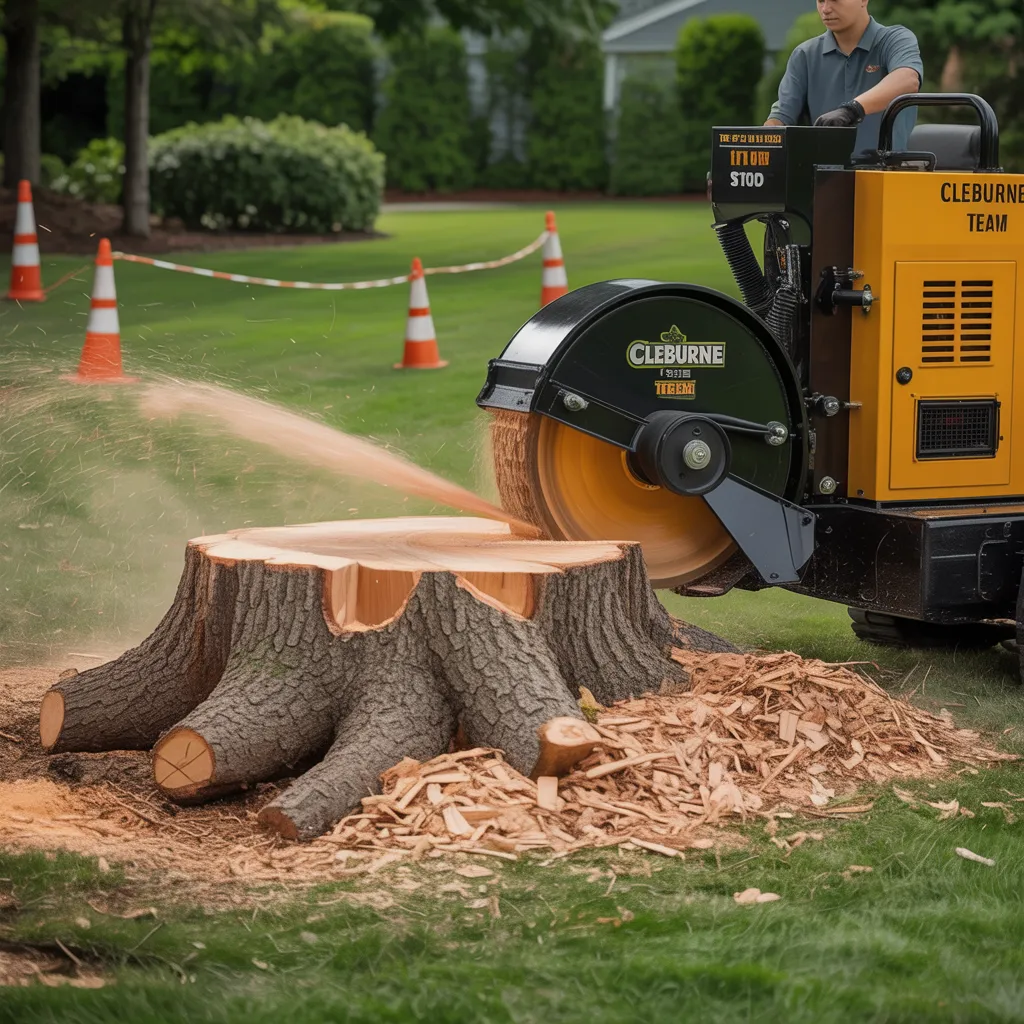
After pruning, the next step in caring for a healthy landscape often involves dealing with tree stumps left behind. Stump removal is an critical offering provided by tree care professionals, as leftover stumps can hinder growth, attract pests, and pose safety hazards. Various techniques are utilized for stump removal, including grinding, which transforms the stump to wood chips, and complete extraction, which eliminates the stump and roots entirely. Each method has its benefits, based on the size of the stump and the adjacent landscape. Additionally, experts often offer replanting solutions to fill the void created by the stump, improving the visual beauty of the area. Overall, stump removal is a vital component of landscape management that fosters a improved environment.
Advantages of Consistent Tree Upkeep
Standard tree maintenance provides major advantages, including better tree health and elevated aesthetic quality. By managing issues like cutting back branches and disease prevention, trees can thrive and withstand environmental stressors. Moreover, well-cared-for trees contribute positively on the scenic appeal of landscapes, increasing home value and public satisfaction.
Better Tree Wellness
Routine upkeep plays an important role in boosting tree vitality and importance. Regular pruning removes dead or diseased branches, which can prevent the spread of infections and pests. This action encourages vigorous growth by letting sunlight and air penetrate the canopy, enhancing photosynthesis. Also, routine inspections can spot early signals of disease or stress, enabling timely measures that can save a tree's life. Fertilization and proper watering, fundamental elements of maintenance, ensure trees get essential nutrients and hydration, supporting their overall vitality. Additionally, mulching aids in retaining soil moisture and managing temperature, creating a favorable environment for root development. Altogether, these practices significantly contribute to the longevity and strength of trees, promoting a healthier landscape.
Enhanced Visual Charm
A well-maintained tree can greatly increase the visual appeal of any landscape. Regular tree maintenance, including pruning, shaping, and disease management, helps that trees remain healthy and visually striking. Pruning helps to shape the tree, promoting a proportional and attractive profile while removing dead or unattractive branches. In addition, healthy trees contribute vibrant foliage and seasonal colors, enriching the overall look. Well-kept trees can serve as centers of attention, adding distinctiveness and structure to gardens and yards. Moreover, the intentional placement of trees can create inviting pathways and shaded areas, enhancing outdoor functionality. Consequently, investing in routine tree care not only promotes health but also markedly boosts the beauty and charm of a landscape, making it more appealing to residents and visitors alike.
Figuring Out the Right Time to Call a Expert
When should homeowners think about getting expert arborist assistance? There are several indicators that indicate it is time to contact professionals. Firstly, if a tree exhibits signs of disease, such as discolored leaves or irregular development, expert evaluation is crucial for its health. Additionally, trees that are leaning dangerously or have apparent fractures in their trunks
The System for Tree Removal and Restoration
Homeowners may sometimes needing to take down a tree for various reasons, including hazard prevention and landscape redesign. The process of tree removal usually commences with a detailed inspection by professionals, who evaluate the tree's health, location, and surrounding environment. If removal is judged needed, the team will organize by barricading the zone, verifying safety measures are in place to protect both people and property.
After preparations are complete, the removal process involves lowering the tree in a controlled manner, considering factors such as wind direction and surrounding structures. After the tree is felled, the stump is often worn down or totally removed to facilitate new landscape renovation.
After the elimination, homeowners can elect to swap the tree with a more suitable species. This replacement procedure involves picking a healthy tree that fits with the landscape's design and ecological needs, supporting both aesthetic appeal and environmental health.
Determining the Correct Tree Service Business
What approach can one take to find a reliable tree service provider when faced with many alternatives? The first action is to request get started recommendations from close contacts, as firsthand feedback often offer credible information. Following that, people should confirm credentials, ensuring that the provider is licensed and insured; this shields both the homeowner and the service team from potential liabilities.
In addition, exploring online reviews can reveal the provider's reputation within the community. A reputable tree service will typically extend free estimates and detailed consultations, allowing clients to assess the scope of work.
It is also vital to inquire about the company's experience and qualifications, particularly in addressing specific tree-related issues. Finally, transparency in pricing and a clear contract can better reflect trustworthiness and expertise. By following these guidelines, individuals can make informed decisions, ensuring healthier landscapes and enhanced beauty.
Often Asked Inquiries
How Much Do Expert Tree Services Typically Cost?
Tree service costs usually fall between $200 to $2,000, depending upon factors including tree size, type of service, and location. Homeowners should seek out diverse estimates to ensure attractive rates and quality service.
Do Tree Service Providers Have Coverage and Licenses?
Most professional arborist service providers are obligated to be licensed and insured to function legally. This ensures protection for both clients and workers, minimizing risk exposure and confirming adherence to industry standards and safety protocols during work completed.
When Is the Most Ideal Period of Year to Prune Trees?
The best window for tree trimming takes place during late winter through early spring, prior to new growth commences. This timing encourages healthy growth, reduces stress on the tree, and provides ideal sight of the tree's form.
Do Tree Services Aid Pest Control Measures?
Yes, tree services can help with managing pests by spotting infestations, recommending treatment options, and managing tree health. Their expertise ensures effective pest management, which shields both trees and the surrounding landscape from likely damage.
What Steps Should I Take to Prepare My Property for Tree Services?
To prepare a property for arboricultural services, one should clear the area of debris, ensure easy access for equipment, alert nearby residents, and keep pets inside. Proper preparation boosts safety and efficiency throughout the tree maintenance process.